 English
 Suomi
Suomi


Reference: 2880026
Price:
Barcode: 2880026
Quantity: 10 pcs.
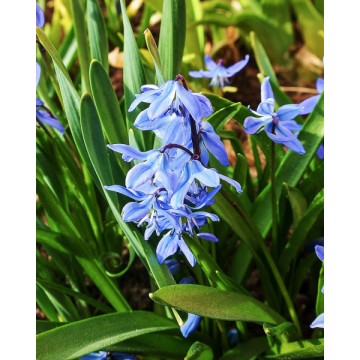
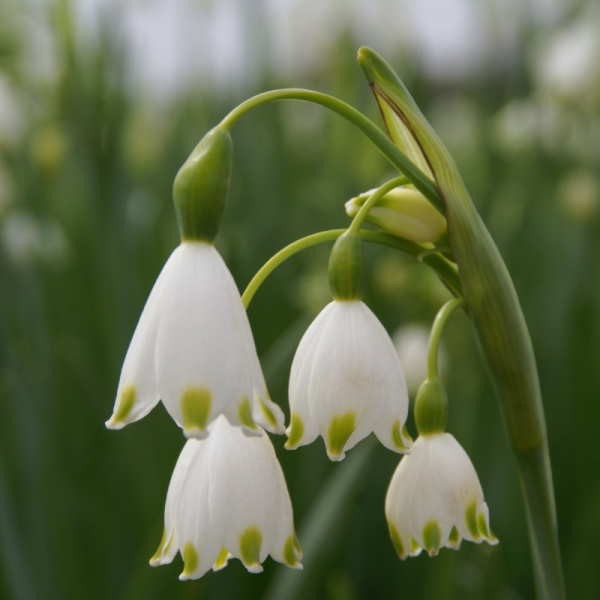
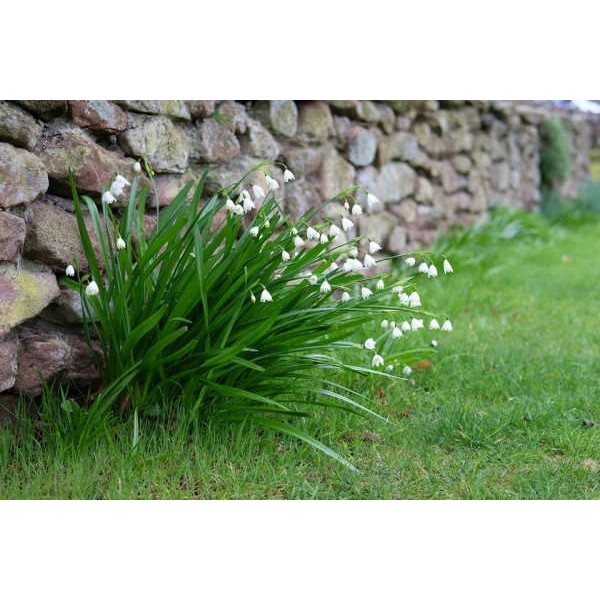
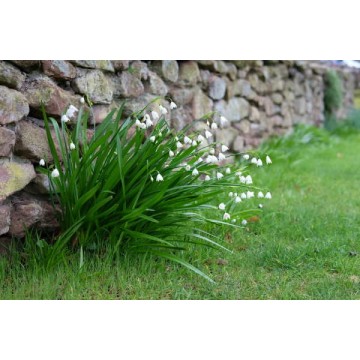
Summer Snowflake
Planting time: IX–X
Flowering time: V–VI
Planting distance: 5 cm
Planting depth: 10 cm
Plant height: 30 cm
In nature, summer snowflakes usually grow in cool, damp areas that are occasionally flooded. They thrive among broad-leaved trees and shrubs where the soil is not densely filled with roots. These plants have not been extensively cultivated and grow poorly in dry, exposed positions, where they may stop flowering. In wet locations, they can freeze easily under our climatic conditions. The plants grow best when moisture is sufficient throughout the growing season, while the soil remains relatively dry in autumn and winter.
Compared with snowdrops, squills and daffodils, snowflakes are more demanding regarding soil conditions. They grow well in loose, humus-rich soil enriched with peat. Peat can be mixed into the soil or used as mulch. Adding silt to the soil can also improve growth. Fertilise with bone meal in autumn.
Plant the bulbs in August–September. Bulbs planted too late may not flower the following year. Do not allow lifted bulbs to dry out, as this may delay flowering for a long time. The best time to lift the bulbs is after the foliage has dried. Divide the clumps, separate the offsets and replant them immediately in fertile soil. Grow the young bulbs for several years until they begin flowering.